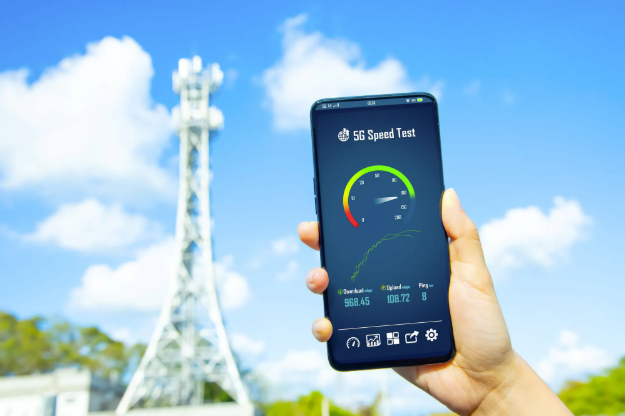
5G technology is integral to the development of smart city infrastructure. Its ability to support high-speed connectivity facilitates real-time data exchange across diverse urban systems. This enhanced communication capability significantly impacts transportation, energy management, and public safety. As cities increasingly adopt 5G, the implications for urban ecosystems become more pronounced. Understanding the specific roles 5G plays in these areas reveals critical insights into the future of urban living.
The Role of 5G in Enhancing Urban Connectivity
As urban populations continue to grow, the integration of 5G technology emerges as a critical factor in enhancing urban connectivity.
This advanced network facilitates smart mobility solutions, allowing real-time data exchange and efficient resource management.
Transforming Transportation With 5G Technology
The integration of 5G technology significantly impacts transportation systems within urban environments, offering unprecedented capabilities that reshape how mobility is managed and experienced.
Enhanced connectivity facilitates the deployment of autonomous vehicles, enabling real-time communication and data exchange.
Additionally, 5G supports advanced traffic optimization strategies, allowing for dynamic adjustments to traffic flow, thereby improving efficiency and reducing congestion in increasingly populated city landscapes.
How Does 5G Improve Public Safety and Emergency Response?
While traditional communication systems often struggle to provide timely information during emergencies, 5G technology enhances public safety and emergency response through its superior speed, reliability, and low latency.
By enabling real-time monitoring of critical data and facilitating efficient disaster management, 5G empowers first responders to act swiftly and effectively.
This technological advancement ensures a more resilient infrastructure, ultimately safeguarding communities and preserving lives.
See also: ptiehero
Boosting Energy Management and Sustainability With 5G
How can 5G technology transform energy management and sustainability initiatives?
By enabling real-time data transmission, 5G enhances energy efficiency in smart grids, allowing for dynamic load balancing and optimized resource allocation.
This connectivity facilitates the integration of renewable energy sources, supporting sustainable practices.
Ultimately, 5G empowers cities to monitor and manage energy consumption more effectively, fostering a resilient and environmentally conscious urban ecosystem.
Conclusion
In conclusion, 5G technology serves as the keystone in the arch of smart city infrastructure, enabling robust connectivity that supports various urban systems. This advanced network acts as the nervous system of a city, facilitating real-time communication that enhances transportation efficiency, public safety, and energy management. As cities embrace 5G, they can transform into dynamic ecosystems that optimize resources and improve the quality of life for residents, paving the way for a sustainable urban future.